How to Manage SKU Growth Without Creating Supply Chain Complexity
Adding a new product can create new opportunities for a growing bag brand.
- A new backpack.
- A new color.
- A new collection.
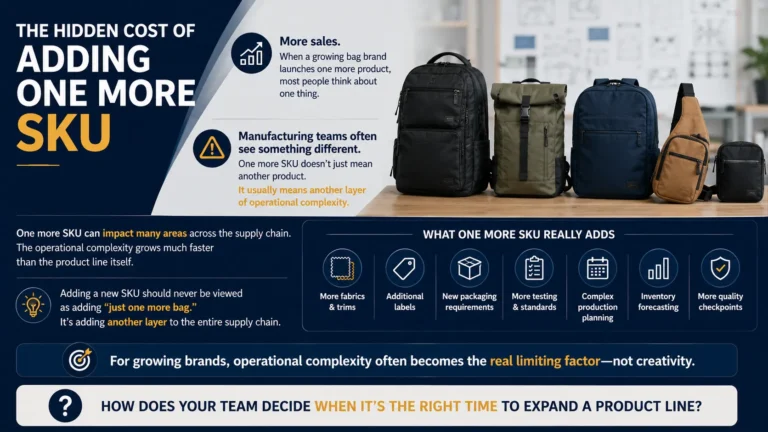
But every new SKU also adds another layer of operational requirements.
Many brands focus on the sales potential of a new product while underestimating the complexity behind it.
A new SKU is not only another design.
It can require:
- New materials.
- Different trims and hardware.
- Updated labels and packaging.
- Additional testing requirements.
- New production planning.
- More inventory management.
- Extra quality control checkpoints.
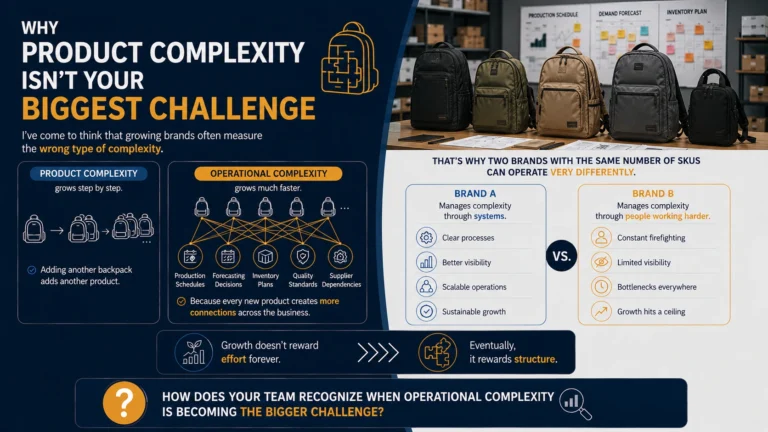
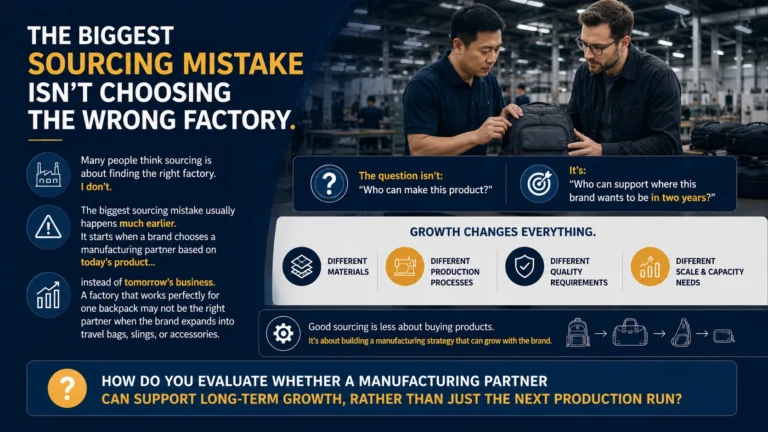
The challenge is not adding products.
The challenge is building systems that can support product growth.
1. Understand the Real Cost of a New SKU
Before launching a new product, brands should evaluate the complete impact on operations.
A new SKU may affect:
- Supplier coordination.
- Material sourcing.
- Production schedules.
- Quality management.
- Inventory planning.
Understanding these requirements helps brands make better decisions before expanding their product line.
2. Create a Clear Role for Every Product
Successful brands do not add products only because they can.
Each SKU should have a clear purpose:
- A core product that drives sales.
- A seasonal product that creates new opportunities.
- A testing product for market feedback.
- A premium product that strengthens brand positioning.
A clear product structure helps prevent unnecessary complexity.
3. Build Systems Before Scaling Products
As product lines grow, manual management becomes harder.
Brands need stronger systems for:
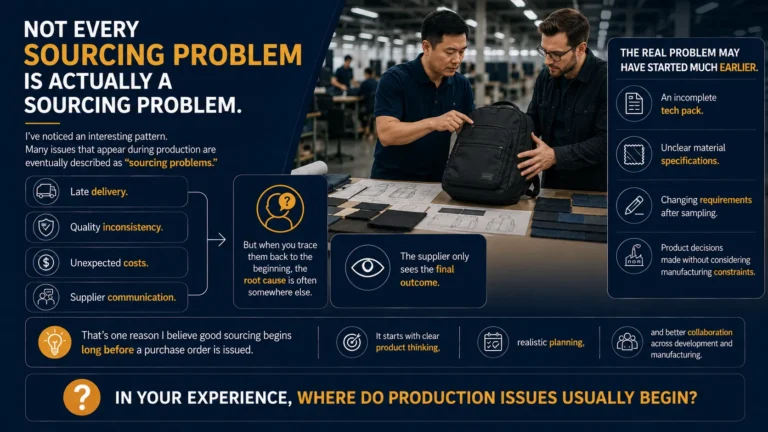
- Product documentation.
- Supplier communication.
- Quality standards.
- Inventory forecasting.
- Production planning.
The goal is not to avoid adding products.
The goal is to make sure the business can support them.
4. Balance Product Expansion With Operational Capability
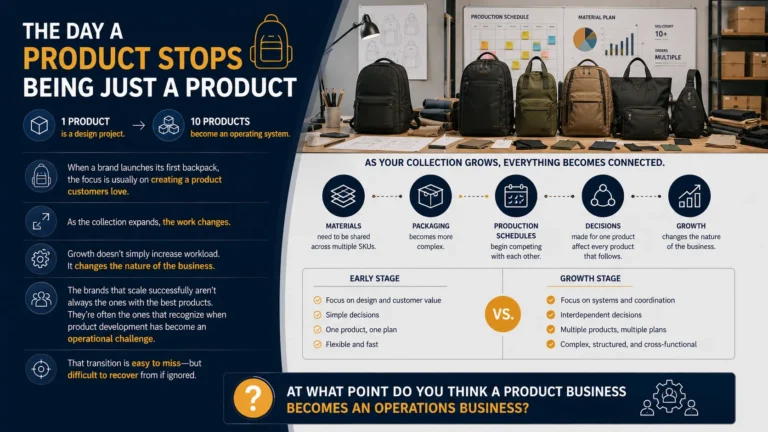
Product growth should happen together with supply chain development.
A successful product line is not only measured by how many SKUs a brand launches.
It depends on whether the company can consistently manage those products from development to delivery.